





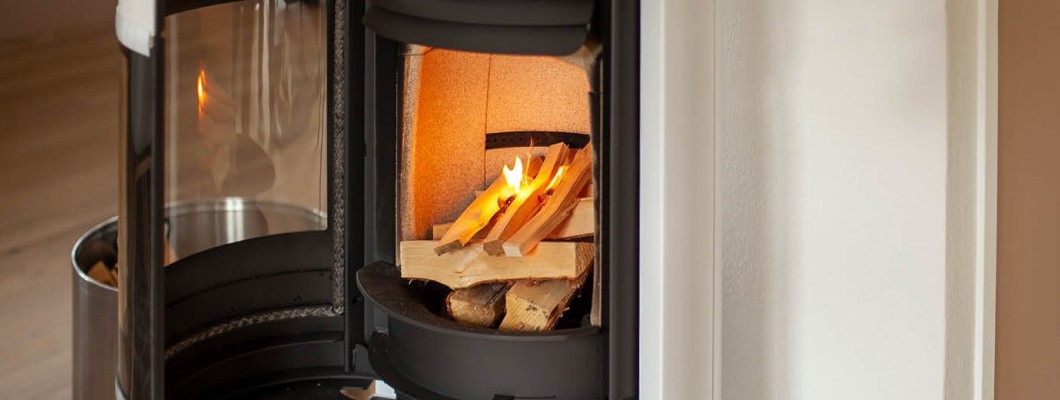
Για να πάρετε το 100% της απόδοσης από το νέο σας ενεργειακό τζάκι και να διατηρείτε το κρύσταλλο καθαρό, πρέπει να ξεχάσετε τον παραδοσιακό τρόπο ανάμματος. Το «οικολογικό» άναμμα που συχνά αναφέρεται και ως ανάποδο άναμμα ή upside down ή top-down fire, είναι ο πιο αποδοτικός και καθαρός τρόπος για να ξεκινήσετε τη φωτιά σε ένα ενεργειακό τζάκι. Αντίθετα με την παραδοσιακή μέθοδο όπου βάζουμε τα προσανάμματα κάτω, εδώ αντιστρέφουμε τη λογική.
Αντί να βάζετε λοιπόν τα προσανάμματα κάτω από τα μεγάλα ξύλα, κάνετε το ακριβώς αντίθετο τοποθετώντας από κάτω τα πιο χοντρά ξύλα και όσο ανεβαίνετε πιο πάνω, σε στρώσεις και σταυρωτά τα πιο μικρά και λεπτά.
Αυτή η μέθοδος μειώνει δραματικά την κάπνα, προστατεύει το τζάμι του τζακιού και εξοικονομεί καύσιμη ύλη.
Πώς γίνεται το Οικολογικό Άναμμα:
- Η Βάση: Τοποθετήστε 2-3 μεγάλα και χοντρά κούτσουρα στο δάπεδο της εστίας, αφήνοντας μια μικρή απόσταση μεταξύ τους για να κυκλοφορεί ο αέρας.
- Το Ενδιάμεσο Στρώμα: Τοποθετήστε σταυρωτά από πάνω μερικά πιο λεπτά ξύλα.
- Η Κορυφή (Προσάναμμα): Στην κορυφή του σωρού τοποθετείτε τα πολύ λεπτά ξυλαράκια (δαδί ή λεπτά κλαδάκια) και το οικολογικό προσάναμμα (π.χ. κυβάκια από κερί και ξύλο, όχι πετρέλαιο).
- Το Άναμμα: Ανάβετε τη φωτιά από την κορυφή.
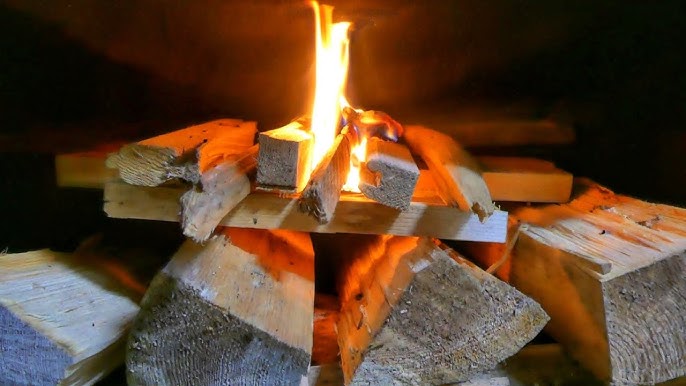
Γιατί λειτουργεί; Η φωτιά ξεκινάει να καίει από πάνω προς τα κάτω. Η ζέστη προθερμαίνει την καμινάδα αμέσως, δημιουργώντας ελκυσμό, ενώ τα καυσαέρια από τα κάτω ξύλα καίγονται καθώς περνούν μέσα από τη φλόγα, μειώνοντας τον καπνό κατά 50-80%.
Γιατί θεωρείται «Οικολογικό»;
- Μείωση Εκπομπών: Καθώς η φωτιά καίει από πάνω προς τα κάτω, ο καπνός που βγαίνει από τα κάτω ξύλα (καθώς ζεσταίνονται) αναγκάζεται να περάσει μέσα από τη φλόγα που βρίσκεται ήδη από πάνω. Έτσι, τα αέρια καίγονται αντί να διαφύγουν στην καμινάδα ως ρύποι.
- Καθαρό Τζάμι: Παράγεται ελάχιστη αιθάλη (κάπνα), οπότε το κρύσταλλο του ενεργειακού τζακιού παραμένει καθαρό για πολύ περισσότερο χρόνο.
- Προθέρμανση Καμινάδας: Η φλόγα στην κορυφή ζεσταίνει αμέσως την καμινάδα, δημιουργώντας γρήγορα τον απαραίτητο «ελκυσμό» (τραβηγμα), αποφεύγοντας το κάπνισμα του σπιτιού στην αρχή.
- Μεγαλύτερη Διάρκεια: Η φωτιά εξελίσσεται πιο αργά και ελεγχόμενα, δίνοντας περισσότερη θερμότητα με λιγότερα ξύλα.
Το άναμμα και πως λειτουργεί:
- Άναμμα: Ξεκινά με πλήρως ανοιχτό τον αεραγωγό για να τροφοδοτηθεί η φωτιά με οξυγόνο.
- Έναρξη δευτερεύουσας καύσης: Μετά από περίπου 5 λεπτά, ξεκινά η δευτερεύουσα καύση καθώς τα αέρια καίγονται πάνω από την κύρια φλόγα.
- Ενεργοποίηση πυρόλυσης: Μετά από 10 λεπτά, το κλαπέ (bypass) κλείνει, αναγκάζοντας τον καπνό να περάσει από την κόφτρα, η οποία επιτρέπει την καύση των αερίων σε υψηλές θερμοκρασίες.
- Συνεχής λειτουργία: Μετά τα 10 λεπτά, η βάση του ξύλου έχει ανάψει, με τα κάρβουνα και το προσάναμμα να βρίσκονταν από πάνω, εξασφαλίζοντας αποτελεσματική και καθαρή καύση.
1. (Άναμμα): Ανοιχτός αεραγωγός. 2. (1-5 λεπτά): Έναρξη δευτερεύουσας καύσης. 3. (5-10 λεπτά): Το κλαπέ κλειστό, ενεργοποιείτε η δευτερογενής ή και η τριτογενής καύση. 4. (10-20 λεπτά): Η βάση των ξύλων έχει ανάψει από τα κάρβουνα και το προσάναμμα από ήταν από πάνω.
Χρυσές Συμβουλές για Ενεργειακά Τζάκια
- Πάντα Ξηρά Ξύλα: Η υγρασία του ξύλου πρέπει να είναι κάτω από 20%. Το υγρό ξύλο δεν καίγεται, απλώς «σιγοβράζει», βγάζει πίσσα και καταστρέφει το τζάμι και την καμινάδα σας.
- Οξυγόνο: Στην αρχή, αφήστε τις θυρίδες αέρα τέρμα ανοιχτές. Μόλις η φωτιά «πιάσει» καλά και τα μεγάλα κούτσουρα αρχίσουν να καίγονται, ρυθμίστε τον αέρα στη μέση ή και τελείως κλειστό για οικονομία και μεγαλύτερη διάρκεια.
- Όχι σε περιοδικά και πλαστικά: Μην χρησιμοποιείτε γυαλιστερό χαρτί ή χαρτόνια με πλαστικοποίηση, καθώς απελευθερώνουν τοξικές ουσίες.
Το ενεργειακό τζάκι έχει «μοχλούς» ελέγχου. Η σωστή διαχείριση είναι η εξής:
- Στο άναμμα: Ανοίγετε όλους τους αεραγωγούς (πρωτεύων και δευτερεύων αέρας) στο μέγιστο για να πάρει η φωτιά οξυγόνο.
- Κατά τη λειτουργία: Αφού η εστία ζεσταθεί καλά (μετά από 20-30 λεπτά) και δημιουργηθεί θράκα, κλείνετε τον πρωτεύοντα αέρα (συνήθως ο κάτω μοχλός) και αφήνετε ανοιχτό τον δευτερεύοντα. Έτσι η καύση γίνεται αργή, αποδοτική και το τζάμι παραμένει καθαρό. Αργότερα μπορείτε να κλείσετε και τον δευτερεύοντα ανάλογα μα τι απαιτήσεις σας.
Το Κατάλληλο Ξύλο είναι το Α και το Ω.
Κανένα ενεργειακό τζάκι δεν θα αποδώσει αν το ξύλο δεν είναι σωστό:
Υγρασία κάτω από 20%: Χρησιμοποιείτε μόνο ξύλα που έχουν ξεραθεί για τουλάχιστον 1-2 χρόνια. Το υγρό ξύλο σπαταλά όλη τη θερμότητα για να εξατμίσει το νερό, βγάζει πίσσα και μαυρίζει το τζάμι.
Είδη ξύλου:
- Δρυς/Ελιά: Καίγονται αργά, έχουν μεγάλη διάρκεια και κρατούν θράκα.
- Οξιά: Βγάζει ωραία φλόγα και ζεσταίνει γρήγορα, αλλά καίγεται πιο γρήγορα.
- Όχι πεύκο/έλατο: Μόνο για προσάναμμα, καθώς περιέχουν ρετσίνι που λερώνει την καμινάδα και μπορεί να προκαλέσει φωτιά στον αγωγό.
Τακτική Συντήρηση:
- Καθαρισμός στάχτης: Μην αδειάζετε τη στάχτη κάθε μέρα. Ένα στρώμα 1-2 εκατοστών στη βάση βοηθάει στη διατήρηση της θερμοκρασίας και προστατεύει το μέταλλο.
- Το Τζάμι: Αν λερωθεί, καθαρίστε το με ένα νωπό πανί ή χαρτί κουζίνας που θα βουτήξετε στην ίδια τη λευκή στάχτη του τζακιού (είναι το καλύτερο φυσικό καθαριστικό). Εναλλακτικά μπορείτε με τα ειδικά καθαριστικά που κυκλοφορούν.
- Ετήσιος Καθαρισμός: Μία φορά τον χρόνο (συνήθως το φθινόπωρο), ειδικός καπνοδοχοκαθαριστής πρέπει να καθαρίζει την Inox καμινάδα.
Πρώτη Λειτουργία (Προσοχή!)
Όταν ανάψετε το τζάκι για πρώτη φορά μετά την εγκατάσταση:
- Θα μυρίσει έντονα (σαν καμένο πλαστικό/μπογιά). Είναι φυσιολογικό, καθώς «ψήνονται» τα χρώματα και τα στεγανωτικά υλικά.
- Αφήστε ένα παράθυρο ανοιχτό.
- Κάντε μια μέτρια φωτιά την πρώτη φορά, όχι πολύ δυνατή, για να «στρώσει» η εστία.
Αφήστε ένα Σχόλιο